Level 2 Chimney Inspection vs. Level 1: Which One Does Your Chimney Need?

Book Our Service

A Level 1 inspection is the routine check for a chimney in regular use with no recent changes. A Level 2 chimney inspection is the deeper look that the Chimney Safety Institute of America (CSIA) recommends when a home is being sold, when an appliance or fuel type is changing, or after a chimney fire, storm or malfunction that may have caused damage.

Level 1 and Level 2 Chimney Inspections Side by Side

NFPA 211, the National Fire Protection Association standard, defines three levels of inspection, according to CSIA. This guide covers Level 1 and Level 2, the two levels ABD offers through its chimney inspection service.

Level 1 inspectionLevel 2 inspection
Best forA chimney in regular use with no recent changesA property sale, a new appliance or fuel type, or damage after a fire, weather event or malfunction
What it coversReadily accessible areas of the chimney structure and flueEverything in a Level 1, with numerous additions, including all flues and connected appliances
How the flue interior is checkedVisual inspection of accessible portionsCSIA calls for a video scan or similar inspection

Level 1 as ABD’s menu describes it; Level 2 as CSIA’s masonry chimney procedure describes it.
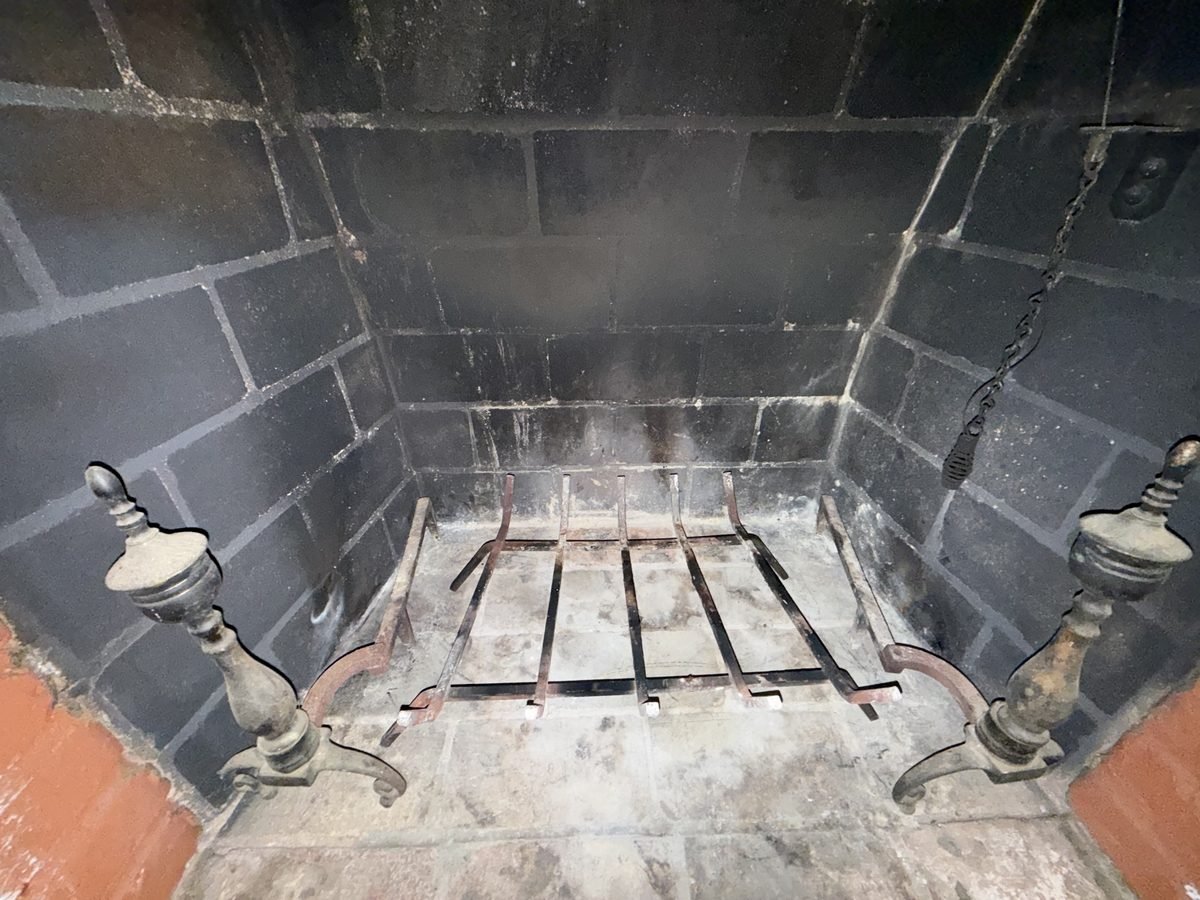
Clean wood-burning firebox with a log grate and andirons, an accessible area a Level 1 chimney inspection looks at

Level 1: The Readily Accessible Areas

ABD describes its Level 1 as covering “all readily accessible areas of the chimney’s structure and flue.” Its process is a visual examination of exterior and interior components, checking for damage, obstructions or potential hazards. ABD also inspects the appliance connection, evaluates the chimney liner and assesses the overall construction.

When You Need a Level 2 Chimney Inspection

CSIA’s Level 2 guidance for masonry chimneys recommends this level in these situations:

  • The property is being sold.
  • You are adding a new appliance, or replacing one with a different fuel type or efficiency.
  • You plan on lining or relining the chimney.
  • There has been a building fire or chimney fire, a weather event or seismic event, or an operating malfunction likely to have caused damage.
  • A Level 1 inspection is not sufficient to determine the serviceability of the venting system.

What a Level 2 Chimney Inspection Adds

Per CSIA, a Level 2 chimney inspection includes everything in a Level 1 “with numerous additions” and should include all flues within a chimney and their connected appliances. CSIA’s procedure for a Level 2 inspection of a masonry chimney calls for going on the roof and inspecting the chimney system within accessible attics, basements and crawl spaces. It requires video scanning, or a similar inspection, of the chimney interior, plus a chimney liner inspection that reports any cracks or gaps noted.

Those steps are CSIA’s standard for a masonry chimney. On ABD’s menu, a Level 2 chimney inspection “normally includes a video camera inspection or other means necessary to document the interior condition of the chimney.”
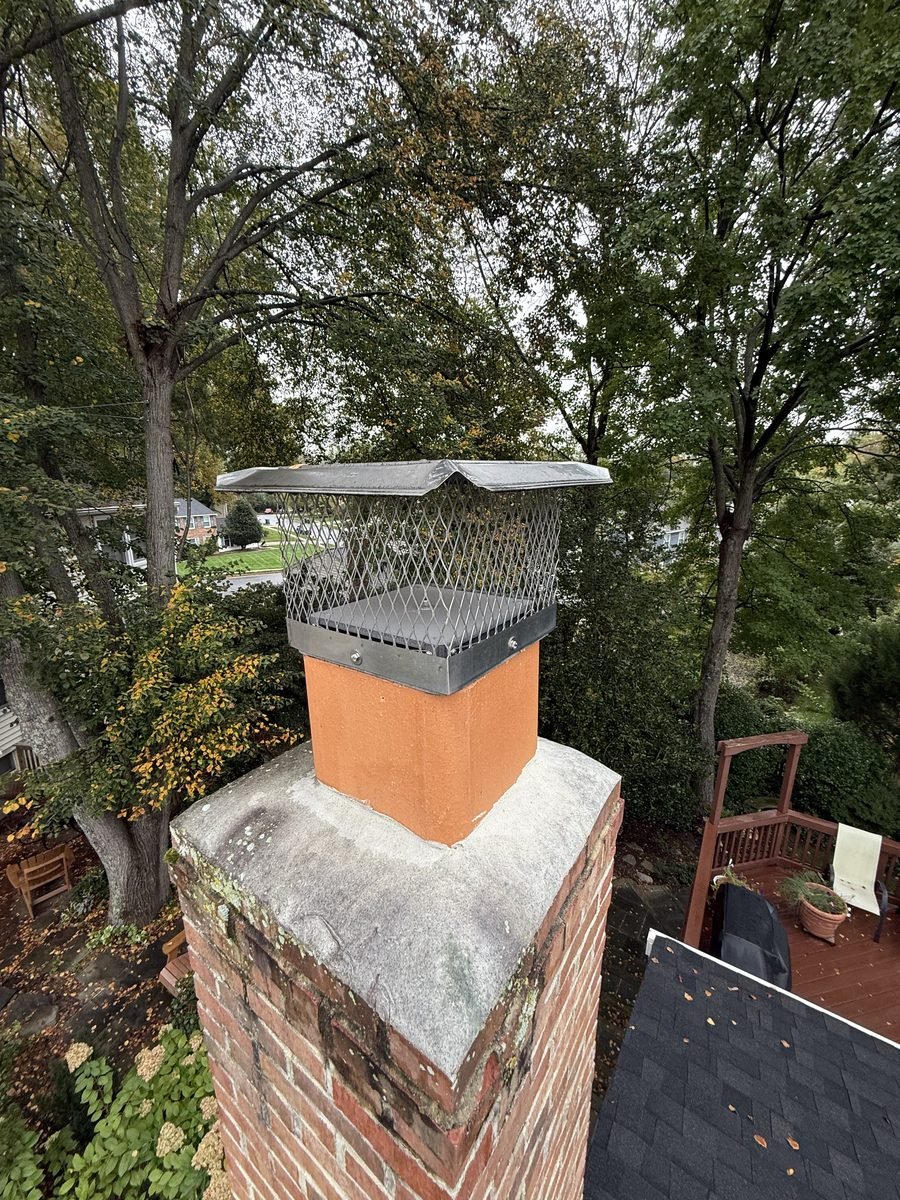
Stainless mesh chimney cap over a clay flue tile on a brick chimney

How Often Should a Chimney Be Inspected?

Once a year. CSIA, along with the National Fire Protection Association, recommends annual chimney inspections, gas furnaces included. ABD’s menu recommends a Level 1 for a chimney in regular use with no recent changes; the situations above move you up to a Level 2 chimney inspection. Our Northern Virginia chimney cleaning guide covers the sweeping side.

Wood-Burning vs. Gas Fireplaces: What Changes

Wood. CSIA puts it plainly: “Clean chimneys don’t catch fire.” It calls for a solid fuel venting system to be inspected annually and cleaned whenever needed.

Gas. CSIA notes that although gas is generally a clean-burning fuel, “the chimney can become non-functional from bird nests or other debris blocking the flue.” ABD’s gas fireplace inspection is a separate service: “a thorough check for any leaks, safety concerns, or operational issues.” If your chimney needs a cap, ABD also offers chimney cap installation.
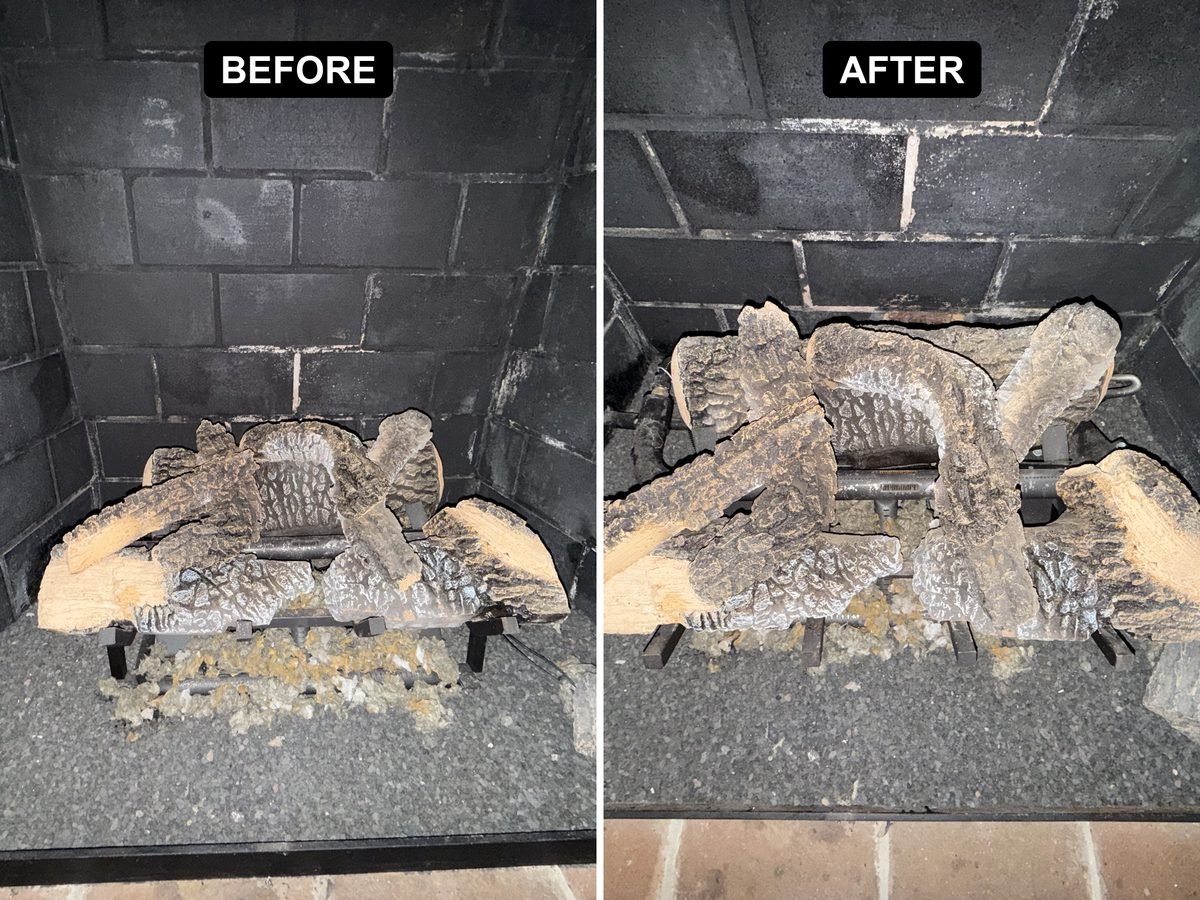
Before and after views of the same gas log set, with debris on the ember bed before cleaning and a clean bed after, on an ABD gas fireplace cleaning

What an ABD Chimney Cleaning Visit Looks Like

ABD is based in Fairfax and provides chimney cleaning and inspections across Northern Virginia. A chimney cleaning visit goes like this:

  1. The technician arrives within a set appointment window and starts with a walkthrough with you.
  2. Drop cloths go over the floors, and HEPA vacuums carry the debris out.
  3. Along with the before-and-after photos, you receive a written report after the cleaning.

ABD’s chimney work is cleaning, inspections and chimney cap installation. When an inspection turns up damage that calls for masonry, crown or liner repair, that work goes to a qualified local masonry or chimney repair professional.

Common Questions About Chimney Inspections

Do home buyers need a Level 2 chimney inspection?

CSIA recommends a Level 2 inspection when the property is being sold, so ask for it by name.

Is there a Level 3 chimney inspection?

NFPA 211 defines three levels of inspection. This guide sticks to Level 1 and Level 2, the two levels on ABD’s menu.

Can I combine a chimney inspection with other services?

Yes. ABD’s menu lists a Level 1 inspection with a chimney cleaning as one service, plus a bundle that checks your dryer vent and chimney “all in one easy appointment.”

Schedule the Right Level Before Heating Season

Whether your chimney system is due for its yearly Level 1 or you need a Level 2 chimney inspection for a property sale or a new appliance, ABD’s expert team puts chimney safety first. Book online to choose your service and time.